2026 Hyundai Venue Facelift: Driving Dynamics & Comfort Analysis
Comprehensive driving review focusing on ride quality, engine performance, and real-world comfort across Indian conditions
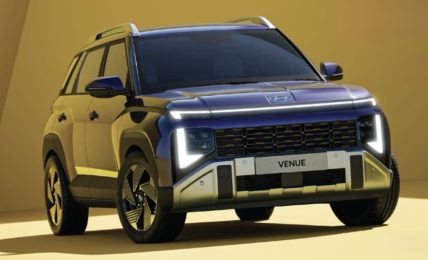
🏁 Executive Summary: The Balanced Performer
The 2026 Hyundai Venue facelift delivers a balanced driving experience that prioritizes urban agility while maintaining highway composure. Key improvements include softer suspension tuning for better bump absorption, refined cabin isolation, and engine options that cater to both city commuters and highway cruisers.
While it shines in daily urban use with its compact footprint and light steering, there's underlying firmness over sharp imperfections that reminds you this is tuned for engagement over outright plushness.
🏙️ City Driving Dynamics
Navigating congested Indian streets feels effortless thanks to the Venue's compact footprint and tight 5.3-meter turning radius. The electric power steering weighs up progressively, offering precise control amid erratic traffic.
City Performance Highlights
- Light steering with adequate feedback for lane changes
- 7-speed DCT offers crawl-friendly stop-go without clutch fatigue
- Turbo-petrol surges eagerly from low revs in City/Eco modes
- Diesel's 250Nm torque pulls strongly sans turbo lag
- Auto-hold function perfect for traffic halts
Suspension performance: Handles undulations softly at under 40 kmph, effectively filtering minor ripples post-facelift. However, rear passengers note some transmitted harshness over drainage gratings and sharp bumps.
NVH levels: Cabin insulation mutes engine drone effectively. Only slight three-cylinder vibrations persist in the turbo at idle. Brakes offer confident progressive bite, halting from 60 kmph without excessive nose-dive.
🛣️ Highway Performance & Stability
Cruising at 100-120 kmph reveals the Venue's high-speed stability as a genuine strength. The lengthened wheelbase minimizes body wallow, while tires grip firmly through sweepers.
In Sport mode, sharpens throttle response for quick merges. Hits triple digits briskly with crisp DCT shifts.
Torque converter AT proves refined for family road trips, smoothing power surges up inclines.
Smooth, vibration-free for relaxed highway cruising. Overtakes demand planned downshifts.
Real-world efficiency: Turbo DCT returns 16-18 kmpl in mixed conditions, while diesel leads at 19+ kmpl on open stretches. Ideal for inter-city hops where efficiency matters.
🛋️ Ride Comfort & Suspension Analysis
The facelift's softer suspension tuning represents a clear step up from pre-2025 models. It soaks speed breakers and manhole covers without jarring thuds, improving low-speed compliance significantly.
| Comfort Improvements |
• Softer low-speed bump absorption • Better undulation control at 40-60 kmph • Reduced cabin vibrations • Improved high-speed damping |
| Remaining Limitations |
• Firmness surfaces over consecutive potholes • Audible thuds over expansion joints • Some rear bounce on undulations • Busier rear axle feel on rough roads |
Seat comfort: Bolstering supports long sits well, with ventilated seats and powered adjustments on SX(O) variant easing driver fatigue. Rear bench accommodates three adults comfortably post-wheelbase stretch, with generous knee room and effective AC vents.
NVH refinement: Engine bay insulation quiets idles, doors seal solidly, and laminated glass on top variants cuts wind drone. Minor tire hum persists on coarse tarmac but represents significant improvement over previous generation.
⚙️ Engine-Specific Driving Experiences
1.2L NA Petrol MT
Smooth, vibration-free urban potter at 82 bhp. The light clutch suits novice drivers, though overtakes demand deliberate downshifts. Best for relaxed, fuel-efficient city commuting.
1.0L Turbo-Petrol DCT
Punchiest and most engaging option. Linear shove post-1,500 rpm mimics larger displacement engines. Driving modes transform character dramatically—Eco conserves, Sport thrills. DCT offers quick shifts but can feel hesitant in extreme traffic.
1.5L Diesel MT/AT
Torque-rich serenity for highways, remaining hushed at cruising speeds. Automatic transmission paddle logic anticipates well, while manual offers light clutch action. Ideal for frequent inter-city drivers.
🧘 Ergonomics & Long-Drive Comfort
Commanding driving position with supportive seats reduces strain on 4+ hour journeys. Adjustable lumbar and thigh support on driver seat significantly aid long-distance comfort.
Comfort Features That Matter
- One-touch windows for all four doors
- Cooled glovebox for beverages on hot drives
- Ambient lighting for relaxed night driving
- Adaptive cruise control (with Level 2 ADAS on select variants)
- Rear armrest with cupholders for passenger comfort
- Steering-mounted controls for easy access
Driving position: Steering rim thickness suits various hand sizes, pedal alignment feels natural minimizing leg cramps. The 8-inch touchscreen is positioned for minimal driver distraction.
⚔️ Limitations & Competitive Context
| Key Limitations |
• Stiffer rear suspension over broken roads • Noisier suspension than Škoda Kushaq • No AWD option limits monsoon capability • Brakes lack one-pedal regen feel of EVs • Sunroof reduces headroom for tall occupants |
| Vs Key Rivals |
• Vs Kia Sonet: Venue edges in space/tech • Vs Tata Nexon: Nexon offers softer ride quality • Vs Mahindra XUV3XO: XUV3XO provides grippier handling • Vs Maruti Brezza: Venue has more premium interior feel |
🏆 Final Driving Verdict
The 2026 Hyundai Venue masters versatile, confidence-inspiring dynamics for India's diverse driving conditions—nimble in city chaos, stable on highways. The comfort upgrades make 500km days viable without fatigue.
At ₹7.9-15.7 lakh, it rewards enthusiasts who value driving engagement and feature-rich experience over outright plushness. For urban warriors with occasional highway needs, it represents one of the most complete packages in the segment.
Rating: 4.2/5 ★★★★☆
Best for: Urban commuters who occasionally hit highways
Consider alternatives if: You prioritize outright ride comfort or need AWD
🎯 The Bottom Line for Indian Buyers
Choose the 1.0L Turbo DCT if you want engaging performance and can handle occasional DCT hesitation in bumper-to-bumper traffic.
Choose the 1.5L Diesel AT if you do frequent highway runs and value torque-rich, relaxed cruising.
Choose the 1.2L Petrol MT if you're on a tight budget and primarily drive in city conditions.
Test drive all three engines. The character differences are significant and will determine your long-term satisfaction.